The Evolution of Wine Packaging: From Traditional Packaging to Customized Premium Solutions

INQUIRY

The Evolution of Wine Packaging: From Traditional Packaging to Customized Premium Solutions
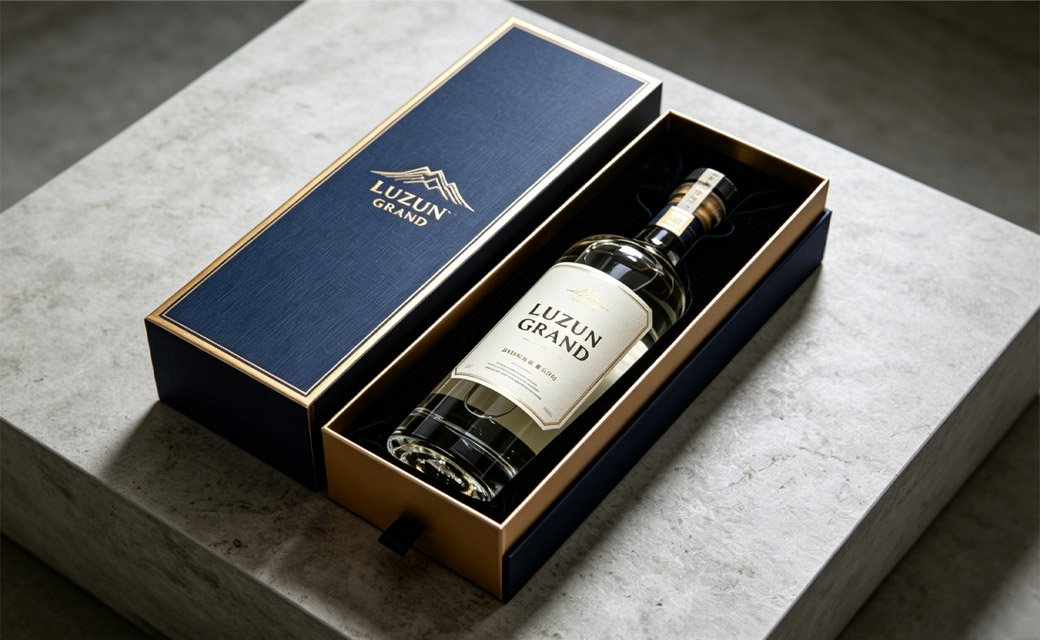
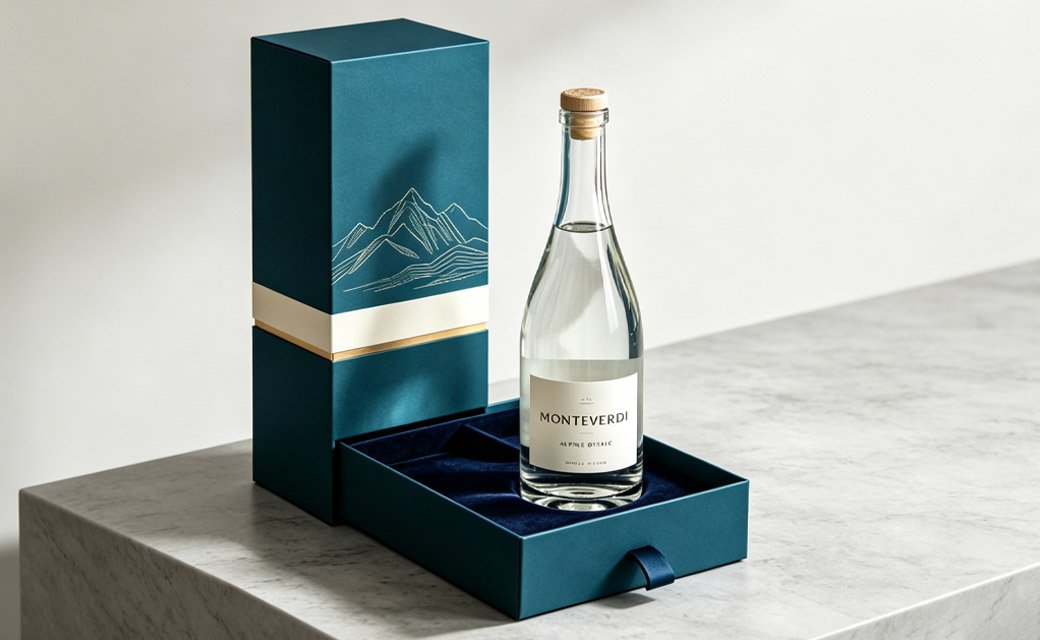
Wine packaging has evolved significantly over the years. While traditional wine packaging focused primarily on product protection and transportation, modern wine brands increasingly consider packaging an important part of product presentation, brand identity, and market positioning.
For wineries, liquor brands, distributors, and beverage companies, choosing the right packaging can influence how consumers perceive a product before they even open the bottle.
As the global beverage market becomes increasingly competitive, customized and premium wine packaging is becoming an important way for brands to differentiate their products.
Why Wine Packaging Matters
Packaging is the first physical interaction between a product and its customer.
For wine and liquor products, packaging needs to provide basic protection during storage and transportation. At the same time, it can also communicate the brand's positioning and product characteristics.
A well-designed wine packaging solution can help brands achieve several objectives:
Protect bottles and products during transportation
Improve product presentation
Strengthen brand recognition
Create a premium visual impression
Support different product positioning
Provide opportunities for customized branding
For premium wines and specialty liquor products, packaging can become an important part of the overall product experience.
From Standard Packaging to Customized Wine Packaging
Traditional wine packaging often relied on standardized designs and relatively simple structures. As competition in the beverage industry has increased, many brands have started looking for more distinctive packaging solutions.
Customized wine packaging allows companies to develop packaging according to their specific requirements.
Customization may involve:
Packaging structure
Bottle presentation
Materials
Surface finishing
Printing and decoration
Color combinations
Brand elements
Box dimensions
Internal protection
Customized product inserts
By integrating these elements, packaging manufacturers can help brands create packaging that is more closely connected with their products and target markets.
The Growing Demand for Premium Wine Packaging
The premiumization of wine and liquor products has also increased the importance of packaging design.
When a product is positioned as premium, its packaging needs to communicate quality and value. A simple standard package may not fully reflect the product's positioning.
Premium wine packaging may incorporate carefully designed structures, refined surface treatments, customized printing, decorative elements, and other details.
However, premium packaging is not simply about adding more decorative elements. A successful packaging solution should balance appearance, functionality, manufacturability, protection, and cost.
This is why experienced packaging manufacturers can play an important role in helping brands transform a design concept into a commercially viable product.
Combining Design and Manufacturing Capabilities
Developing customized wine packaging requires cooperation between design and manufacturing.
A packaging concept may look attractive on paper, but it also needs to be suitable for actual production.
Factors such as material selection, structural design, production processes, dimensions, assembly, transportation, and product protection all need to be considered.
Yunxin Group leverages its design resources, manufacturing capabilities, industrial experience, and supply chain resources to support the development of customized packaging solutions.
By connecting product design with manufacturing capabilities, the group aims to provide packaging solutions that are not only visually distinctive but also practical for commercial production.
Wine Packaging and Brand Differentiation
The global wine and liquor market includes products with different price levels, styles, origins, and target customers.
Therefore, packaging requirements can vary significantly between different brands.
For example, a mass-market beverage product may prioritize production efficiency and cost control, while a premium wine brand may place greater emphasis on visual presentation, materials, finishing, and customized details.
Customized packaging gives brands more flexibility to develop packaging based on their market positioning.
This is particularly valuable for companies launching new products, developing private-label products, or updating an existing product line.
Looking Beyond Traditional Wine Packaging
Wine packaging is also becoming part of a broader packaging ecosystem.
As packaging companies develop new capabilities, traditional wine packaging manufacturers are expanding into areas such as pharmaceutical packaging, cosmetic packaging, food packaging, and other premium packaging applications.
This transition reflects a broader trend toward multi-category packaging manufacturing.
For packaging suppliers, expanding product capabilities can create opportunities to serve customers from different industries while sharing manufacturing resources, design experience, and supply chain capabilities.
Yunxin Group is developing its packaging business in this direction, building on its traditional strengths in wine packaging while expanding into additional packaging categories.
Choosing a Reliable Wine Packaging Supplier
When selecting a wine packaging supplier, buyers should consider more than the appearance of a sample.
Important factors may include:
Manufacturing capability:
Can the supplier consistently produce the required packaging at commercial volumes?Customization capability:
Can the supplier adapt structures, materials, dimensions, and decoration according to customer requirements?Quality consistency:
Can the supplier maintain consistent product quality across different production batches?Supply chain capability:
Can the supplier coordinate materials, production, packaging, and delivery efficiently?Design support:
Can the supplier help turn an initial concept into a manufacturable packaging solution?For international buyers, communication and export service are also important parts of the supplier selection process.
Yunxin Group's Approach to Wine Packaging
With its industrial foundation in Yuncheng's packaging sector, Yunxin Group continues to develop its wine packaging capabilities while improving its overall packaging industry chain.
The group combines industrial resources, design advantages, manufacturing capabilities, and international trade experience to serve customers seeking wine packaging and other customized packaging solutions.
At the same time, Yunxin Group is expanding beyond traditional wine packaging into pharmaceutical, cosmetic, food, and premium packaging applications.
This broader product strategy allows the company to build long-term relationships with customers across multiple industries.
Conclusion
Wine packaging is no longer limited to protecting a bottle during transportation. It has become an important component of product presentation, brand identity, and market differentiation.
As brands continue to seek more distinctive products and packaging experiences, the demand for customized and premium wine packaging is expected to remain an important area of packaging development.
For wineries, liquor brands, distributors, and international buyers, working with a packaging supplier that combines design, manufacturing, customization, and supply chain capabilities can provide greater flexibility throughout the product development process.
Yunxin Group will continue to build on its packaging industry foundation and expand its capabilities to provide diversified packaging solutions for customers in China and international markets.
Online message
-
Products
-
Menu
-
Contact Us
Room 1001, Building 6, No.56‑7 Liaoyang West Road, Shibei District, Qingdao City, Shandong Province, China

